Every year, pests cause billions in property damage across the american landscape. Ignoring even small warning signs can quickly turn a minor nuisance into a costly ordeal for homeowners and businesses alike. Taking the right steps early makes all the difference, whether you want a bug-free kitchen or need to protect your business assets. In this guide, you will learn how smart assessment, safe strategies, and eco-friendly prevention combine for long term protection against unwanted pests.
Table of Contents
- Step 1: Assess Pest Risks And Identify Problem Areas
- Step 2: Select Safe And Effective Pest Control Solutions
- Step 3: Implement Eco-Friendly Treatments And Preventive Steps
- Step 4: Monitor Results And Verify Elimination
- Step 5: Maintain Ongoing Protection For Lasting Safety
Quick Summary
| Key Point | Explanation |
|---|---|
| 1. Conduct a thorough property inspection | Regularly inspect your property to identify vulnerabilities and warning signs of pest infestations early on. |
| 2. Use safe pest control methods | Opt for environmentally friendly treatments and integrated pest management techniques to ensure safety for family and pets. |
| 3. Monitor pest control effectiveness | Establish a plan for ongoing monitoring to confirm complete pest elimination and prevent re-infestation. |
| 4. Maintain proactive pest prevention | Create a year-round maintenance routine that includes inspections and seasonal preparations to safeguard against pests. |
Step 1: Assess pest risks and identify problem areas
Understanding and identifying potential pest risks is the critical first step in protecting your home or business from unwanted infestations. By systematically examining your property, you can detect early warning signs and prevent small problems from becoming major headaches.
Start with a comprehensive visual inspection of your entire property, focusing on key vulnerability zones. According to the basmaa Healthy Buildings Pilot Program, successful pest management relies on proactive monitoring and addressing potential entry points. Pay close attention to areas like foundations, window frames, door seals, plumbing entry points, and dark moisture-rich spaces such as basements, attics, and crawl spaces.
Prioritize identifying specific conditions that attract pests. Look for signs like wood rot, standing water, unsealed food containers, accumulated debris, or gaps in walls and floors. Overgrown vegetation near your building can also provide convenient pest highways. For a more strategic approach, consider creating a local pest species identification guide to understand which specific pests are most common in your North Texas region. By knowing what to look for and addressing vulnerabilities promptly, you can significantly reduce the likelihood of pest invasions.
Step 2: Select safe and effective pest control solutions
Selecting appropriate pest control solutions requires a strategic approach that prioritizes safety, effectiveness, and minimal environmental impact. Your goal is to choose methods that eliminate pest problems while protecting your family, pets, and surrounding ecosystem.
According to the basmaa Healthy Buildings Pilot Program, integrated pest management (IPM) strategies emphasize preventive measures and non-toxic interventions. Start by exploring targeted solutions that address specific pest types rather than using broad-spectrum chemical treatments. Consider methods like biological controls, physical barriers, and environmentally friendly repellents. When chemical treatments become necessary, opt for safest pest control methods that minimize potential health risks.
Prioritize professional pest control services that offer comprehensive assessments and targeted treatments. Look for providers who use low-toxicity products, understand local pest behaviors, and can develop customized management plans. Always request detailed information about the products being used, their potential impacts, and recommended safety precautions. By taking a thoughtful and measured approach, you can effectively manage pest problems while maintaining a safe and healthy environment for your home or business.
Step 3: Implement eco-friendly treatments and preventive steps
Implementing eco-friendly pest control requires a proactive and holistic approach that minimizes environmental impact while effectively managing pest populations. Your goal is to create a comprehensive strategy that protects your property without relying on harsh chemical treatments.
According to the basmaa Healthy Buildings Pilot Program, integrated pest management emphasizes preventive measures and non-toxic interventions. Start by implementing natural deterrents and structural modifications that make your environment less attractive to pests. This includes sealing entry points, removing standing water, maintaining clean surfaces, and managing outdoor vegetation. For a more comprehensive approach to creating an eco-friendly pest defense, explore understanding eco-friendly pest solutions that align with sustainable practices.
Prioritize targeted biological controls and natural repellents over broad-spectrum chemical treatments. Use methods like introducing beneficial predatory insects, applying diatomaceous earth, using essential oil based repellents, and maintaining proper sanitation. These strategies not only reduce pest populations but also protect your family, pets, and local ecosystem from potentially harmful chemical exposure.
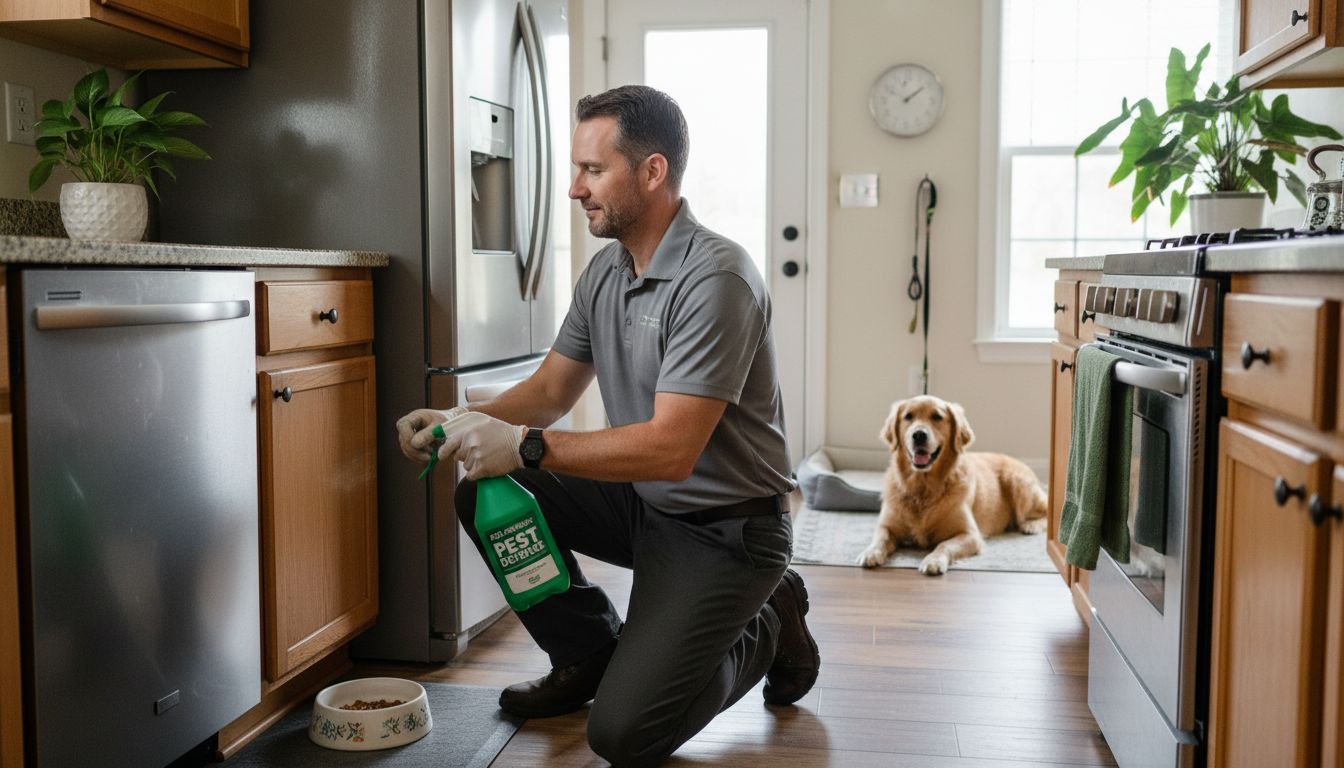 Remember that consistent monitoring and early intervention are key to maintaining an effective eco-friendly pest management approach.

Step 4: Monitor results and verify elimination
Monitoring pest control results is a critical final step that ensures your implemented strategies have effectively addressed the initial infestation. Your objective is to conduct thorough and systematic evaluations to confirm complete pest elimination and prevent potential reemergence.
According to the basmaa Healthy Buildings Pilot Program, regular inspections and assessments are essential to verify the effectiveness of pest control measures. Develop a comprehensive monitoring plan that includes weekly visual inspections of previously identified problem areas, tracking any signs of pest activity, and documenting your findings. Look for indicators such as droppings, nesting materials, chew marks, or live insects. For a structured approach to tracking your pest control progress, consider using a monthly pest inspection checklist tailored to North Texas environments.
If you detect any continued pest presence, remain proactive by immediately reassessing your current control methods and making necessary adjustments. This might involve resealing entry points, modifying treatment approaches, or consulting professional pest control services for targeted interventions. Remember that successful pest management is an ongoing process requiring consistent attention and adaptability.
Step 5: Maintain ongoing protection for lasting safety
Maintaining a pest-free environment requires consistent effort and a proactive approach to prevention. Your ultimate goal is to create a sustainable strategy that keeps your property protected against potential pest invasions long term.
According to the basmaa Healthy Buildings Pilot Program, continuous implementation of integrated pest management strategies is crucial for ensuring lasting safety. Develop a comprehensive routine that includes regular property inspections, seasonal maintenance, and strategic preventive measures. For homeowners seeking a structured approach, consulting a 2025 home pest prevention checklist can provide a systematic framework for ongoing protection.
Establish a year-round maintenance plan that addresses seasonal pest challenges specific to North Texas. This includes sealing potential entry points before winter, managing outdoor vegetation, maintaining proper sanitation, and conducting quarterly professional inspections. Keep detailed records of your pest control efforts, treatments, and any observations to help identify patterns and refine your prevention strategy. By treating pest management as an ongoing process rather than a one-time solution, you can significantly reduce the risk of future infestations and maintain a safe, healthy living environment.
Protect Your Home and Business with Safe, Effective Pest Control
Pest invasions can cause stress and damage at any time. This article highlights the importance of identifying risks early and choosing safe, eco-friendly pest control methods that protect your property and loved ones without harsh chemicals. You want a pest control strategy that keeps pests away while maintaining a healthy environment for your family or employees.

Take control today with Pestico Pest Control, a trusted family-owned company serving the North Texas community. Our licensed experts focus on integrated pest management, targeting ants, termites, rodents, and more with environmentally responsible techniques. Choose from one-time treatments or recurring plans designed for lasting protection. Don’t wait for pests to become a bigger problem. Visit safe pest control methods and start your journey toward a pest-free home or business now.
Frequently Asked Questions
What are the first steps in assessing pest risks for my property?
To assess pest risks, start with a comprehensive visual inspection of your property, focusing on areas like foundations, windows, and plumbing entry points. Look for signs of pests, wood rot, and moisture-heavy spaces, and address vulnerabilities immediately to reduce future infestations.
How can I select safe pest control methods for my home or business?
Choose pest control methods that prioritize safety and effectiveness, such as integrated pest management (IPM) strategies. Start by exploring natural deterrents and targeted interventions specific to the pest you are dealing with rather than using broad-spectrum chemicals.
What are some eco-friendly pest control treatments I can implement?
Eco-friendly treatments include using natural repellents, biological controls like beneficial insects, and structural modifications that deter pests. Consider applying diatomaceous earth or essential oil-based repellents, and maintain proper sanitation to create a less inviting environment for pests.
How can I monitor the effectiveness of my pest control efforts?
Regularly inspect your property to monitor pest activity and verify the success of your control measures. Implement a monitoring plan that includes weekly checks of previously infested areas and documentation of any signs, ensuring prompt action if new infestations appear.
What steps should I take to maintain ongoing pest protection?
Maintain ongoing pest protection by establishing a year-round maintenance plan that includes regular inspections and preventive measures. Schedule seasonal checks, seal entry points, and keep detailed records of your pest management efforts to adjust your strategy as needed for long-term safety.
Recommended
- Safest Pest Control Methods – Pest Control Van Alstyne, TX – Pestico Pest Control
- Are Pest Control Safe? What TX Homeowners & Businesses Need To Know In 2025 – Pest Control Van Alstyne, TX – Pestico Pest Control
- DIY Pest Prevention Tips – Pest Control Van Alstyne, TX – Pestico Pest Control
- Eco-Friendly Pest Control Methods For Texas Homes In 2025 – Pest Control Van Alstyne, TX – Pestico Pest Control
- Top HVAC Safety Tips for Louisville and Southern Indiana 2025 – HVAC Service and Repair | Louisville, KY | Project Heating & Cooling
- Safest Carpet Cleaning Methods for Homes and Businesses 2025 – Yarra Valley Carpet Cleaning