
Pest problems in Texas are not just an occasional annoyance. They represent a real threat that can spiral out of control fast. Here’s the part nobody expects. Termites alone cause about $5 billion in property damage across the US every year. You might think the worst part is repair headaches and lost valuables. The real shock is that the right pest control plan can erase up to 70 percent of those costs and protect your family’s health at the same time. Now the hidden benefits start to reveal themselves.
Table of Contents
- How Pest Control Protects Your Property
- Health Benefits For Families And Employees
- Cost Savings With Regular Pest Treatments
- Pest Control Solutions For Texas Communities
Quick Summary
| Takeaway | Explanation |
|---|---|
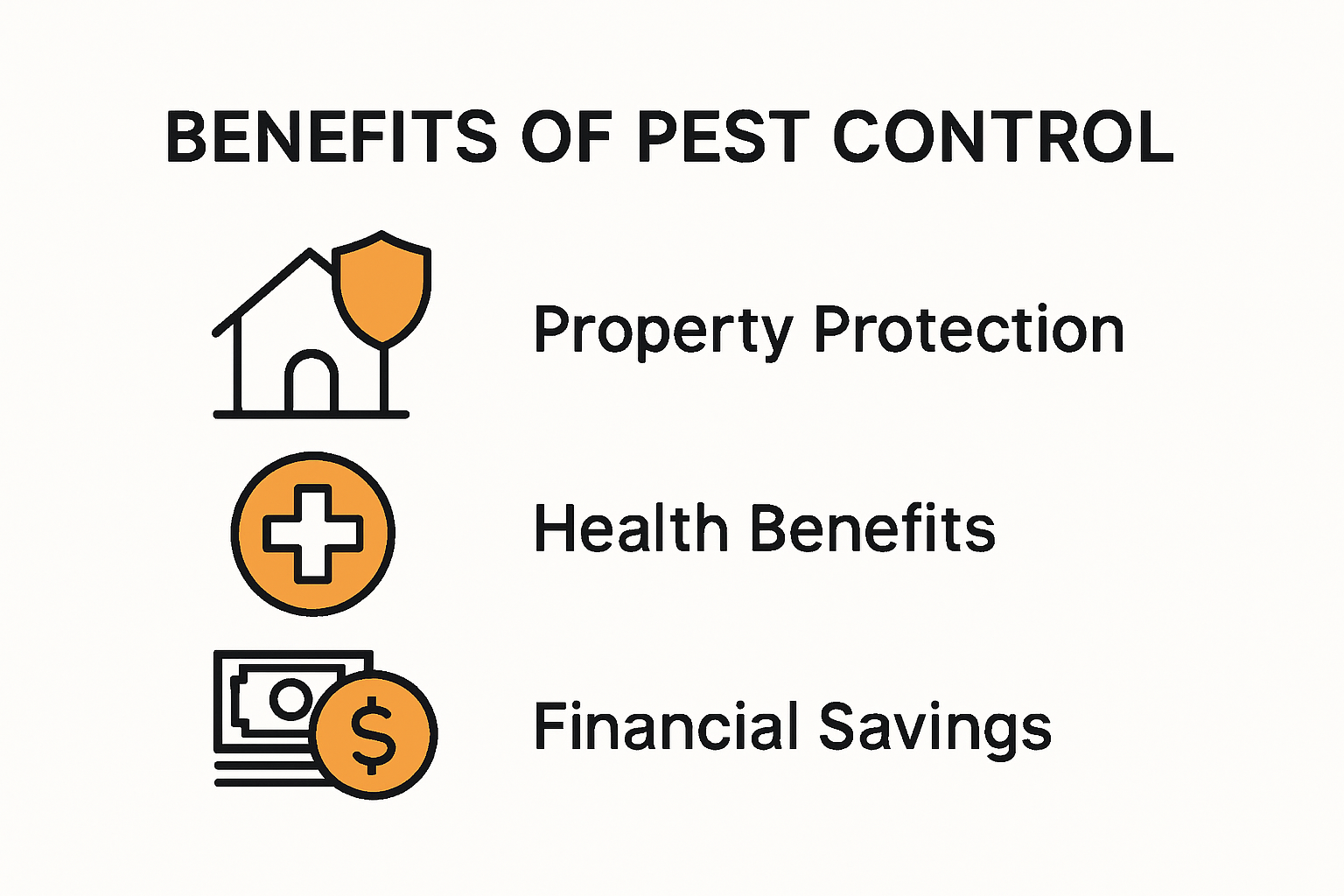
| Preventing Structural Damage is Cost-Effective | Regular pest control can prevent significant structural damage caused by termites and rodents, saving homeowners thousands in repair costs. |
| Health Protection for Families and Employees | Professional pest management significantly reduces disease transmission and allergens, contributing to improved health outcomes for families and workplace productivity. |
| Long-Term Financial Benefits | Investing in regular pest control services is more cost-effective than addressing extensive pest damage, with potential savings of up to 70% on repairs and insurance premiums. |
| Community-Wide Pest Management is Essential | Collaborative pest control strategies within communities can effectively address pest issues while enhancing public health and environmental preservation. |
How Pest Control Protects Your Property
Pest control goes far beyond simple nuisance elimination. It represents a critical strategy for comprehensive property protection, safeguarding both residential and commercial structures from potentially devastating damage. Texas property owners face unique challenges from diverse pest populations that can compromise building integrity, personal belongings, and overall property value.
Preventing Structural Integrity Threats
Termites and rodents pose significant risks to property foundations and structural components. Research from the National Pest Management Association reveals that termites cause approximately $5 billion in property damage annually in the United States. These wood-destroying insects can silently compromise wooden structures, weakening support beams, flooring, and wall frameworks without immediate detection. Professional pest control services implement strategic prevention and treatment protocols that create protective barriers, detecting and addressing potential infestations before they escalate into expensive repair scenarios.
Rodents present another critical structural threat. These persistent creatures chew through electrical wiring, insulation, and wooden components, creating potential fire hazards and structural vulnerabilities. By implementing routine pest control inspections, homeowners can identify and mitigate these risks proactively, preventing costly structural repairs and potential safety complications.

Protecting Personal and Business Assets
Beyond structural concerns, pest control plays a crucial role in preserving personal and business assets. Certain pests like silverfish, carpet beetles, and clothes moths can systematically destroy furniture, clothing, documents, and valuable inventory. According to a study by the University of Florida, textile-damaging pests can cause significant economic losses for businesses and homeowners alike.
For businesses, especially those in food service, retail, or hospitality sectors, maintaining a pest-free environment is not just about aesthetics but also about maintaining reputation and compliance with health regulations. A single pest incident can lead to negative reviews, potential closure by health inspectors, and substantial financial repercussions.
Long-Term Property Value Preservation
Consistent pest control management directly impacts property valuation. Potential buyers and property assessors closely examine a building’s pest history when determining market value. Research from the Real Estate Inspection Association indicates that properties with documented, professional pest management demonstrate higher market resilience and attract more potential buyers.
Moreover, proactive pest control represents a strategic investment. The cost of routine prevention is significantly lower than addressing extensive damage caused by unchecked pest populations. Homeowners and business owners who prioritize regular pest management can potentially save thousands in potential repair and replacement expenses.
For those seeking deeper insights into comprehensive pest protection strategies, our guide on understanding pest control essentials offers valuable information tailored specifically for Texas property owners. By understanding these critical protection mechanisms, you can transform pest control from a reactive measure to a proactive property preservation strategy.
Below is a table summarizing the major property threats posed by pests in Texas and the types of damage they cause, as mentioned in the content above.
| Pest Type | Common Damages | Estimated Annual Cost (US) | Additional Risks |
|---|---|---|---|
| Termites | Structural (wood/foundations/support beams) | $5 billion | Undetected weakening of structures |
| Rodents | Wiring, insulation, wood; fire hazards | Not specified (costly repairs) | Electrical fires, safety issues |
| Silverfish/Carpet Beetles/Clothes Moths | Furniture, textiles, documents, inventory | Significant for businesses & homes | Economic losses, asset destruction |
Health Benefits for Families and Employees
Pest control extends far beyond property protection. It plays a critical role in safeguarding the health and well-being of families and employees by mitigating potential health risks associated with various pest populations. Understanding these health benefits reveals the profound impact professional pest management can have on overall quality of life.
Disease Prevention and Transmission Control
Research from the Centers for Disease Control and Prevention highlights the significant health risks posed by pests as disease vectors. Rodents, cockroaches, and mosquitoes are known carriers of numerous serious illnesses, including hantavirus, salmonella, and West Nile virus. Professional pest control services create essential barriers that dramatically reduce the potential for disease transmission.
Rodents, in particular, pose substantial health threats. They can spread up to 35 different diseases through direct contact, contaminated food, or their droppings. A study published in the Journal of Vector Ecology underscores the critical importance of comprehensive pest management in preventing these health risks. By implementing targeted control strategies, families and businesses can significantly minimize the likelihood of pest-related disease transmission.
Allergen Reduction and Respiratory Health
Pests are not just disease carriers but also significant contributors to respiratory health challenges. Integrated research from the National Institute of Environmental Health Sciences demonstrates that pest infestations can dramatically increase indoor allergen levels. Cockroaches, dust mites, and other household pests produce allergens that can trigger asthma attacks, particularly in children and sensitive individuals.
Specifically, cockroach allergens are among the most potent indoor triggers for asthma. Children living in homes with significant cockroach populations are at substantially higher risk of developing respiratory complications. Professional pest control services provide targeted interventions that reduce these allergen populations, creating healthier indoor environments for families and employees.
Mental Health and Workplace Productivity
The psychological impact of pest infestations often goes unrecognized. Research from the American Psychological Association reveals that persistent pest problems can cause significant stress, anxiety, and reduced quality of life. In workplace environments, pest infestations can lead to decreased employee morale, productivity, and potential reputational damage.
Businesses that prioritize comprehensive pest management demonstrate a commitment to employee well-being. Clean, pest-free environments contribute to improved mental health, reduced stress, and enhanced overall workplace satisfaction. This approach not only protects physical health but also supports crucial psychological and professional aspects of daily life.
For those interested in understanding the deeper connections between pest control and health, our comprehensive guide to pest control safety provides valuable insights tailored for Texas residents and businesses. By recognizing pest control as a holistic health strategy, families and organizations can create safer, healthier environments that promote overall well-being.
The following table highlights key health risks from common pests in Texas, along with the associated impacts and preventative benefits discussed above.
| Pest Type | Health Risks/Conditions Spread | Impact Without Control | Preventative Benefit |
|---|---|---|---|
| Rodents | Hantavirus, salmonella, up to 35 diseases | Disease outbreaks, contaminated food | Barrier to disease transmission |
| Cockroaches | Asthma, allergens, bacteria | Trigger asthma, respiratory issues | Reduces allergens, improves health |
| Mosquitoes | West Nile virus, other vector-borne diseases | Community-level disease risk | Reduces insect-borne disease spread |
Cost Savings With Regular Pest Treatments
Pest control is more than a protective measure. It represents a strategic financial investment that can save homeowners and businesses significant money in the long term. Understanding the economic benefits of regular pest treatments reveals a compelling argument for proactive pest management strategies.
Preventing Expensive Structural Damage
Research from the National Pest Management Association reveals that termites alone cause approximately $5 billion in property damage annually in the United States. These wood-destroying insects can compromise building foundations, structural supports, and critical infrastructure without immediate detection. Professional pest control interventions can prevent these costly repairs by identifying and addressing potential infestations before they escalate.
For Texas property owners, the financial risks are particularly significant. Subterranean termites are prevalent in the region, and their potential for structural damage can result in repair costs ranging from $3,000 to $8,000 per incident. Regular pest treatments can reduce these potential expenses by up to 80%, transforming pest control from an expense to a critical financial protection strategy.
Reducing Business and Healthcare Costs
Businesses face substantial financial risks from pest-related disruptions. A study published in the Journal of Economic Entomology demonstrates that pest infestations can lead to significant economic losses across various industries. Restaurants, food processing facilities, and healthcare environments are especially vulnerable to potential shutdowns, reputation damage, and compliance penalties.
In healthcare settings, pest-related infections can lead to extended patient stays and increased treatment costs. The Centers for Disease Control estimates that healthcare-associated infections cost the US healthcare system billions annually. By implementing comprehensive pest management protocols, healthcare facilities can reduce these risks and associated financial burdens.
Long-Term Financial Strategy and Prevention
Proactive pest control represents a strategic approach to financial management. Economic research from Texas A&M University indicates that preventative treatments are consistently more cost-effective than reactive interventions. Homeowners and businesses can save up to 70% on potential repair and remediation expenses by investing in regular pest control services.
Insurance providers increasingly recognize the value of professional pest management. Many insurance policies offer reduced premiums for properties with documented, consistent pest control programs. This financial incentive further underscores the economic advantages of proactive pest management strategies.
For those seeking detailed insights into cost-effective pest control options, explore our guide to affordable pest control solutions tailored specifically for Texas homeowners and businesses. By understanding the financial benefits of regular pest treatments, property owners can transform pest control from a potential expense into a strategic investment in long-term property preservation and financial protection.
Pest Control Solutions for Texas Communities
Texas communities face unique pest management challenges driven by diverse geographical landscapes, varied climate conditions, and complex urban environments. Comprehensive pest control solutions require collaborative, strategic approaches that address both immediate pest challenges and long-term community well-being.
Integrated Community-Wide Management Strategies
Research from Texas A&M AgriLife Extension highlights the importance of integrated pest management (IPM) approaches that go beyond individual property treatments. Community-wide strategies involve coordinated efforts between local governments, pest control professionals, and residents to create holistic pest prevention frameworks.
In urban areas like Dallas-Fort Worth and Houston metropolitan regions, collaborative pest management becomes crucial. Municipalities increasingly adopt comprehensive strategies that include public education, systematic monitoring, and targeted interventions. These approaches address common Texas pests such as fire ants, mosquitoes, and invasive rodent populations that can quickly spread across neighborhood boundaries.
Environmental and Public Health Considerations
The Centers for Disease Control and Prevention emphasizes community-level pest control as a critical public health strategy. Texas communities face significant risks from vector-borne diseases transmitted by mosquitoes and other insects. Professional pest control services play a pivotal role in reducing disease transmission risks through systematic population management and ecological interventions.
Specialized community programs target specific environmental challenges. Mosquito control initiatives, for instance, involve sophisticated strategies like habitat management, biological control methods, and targeted chemical treatments. These approaches minimize environmental impact while effectively controlling disease-carrying insect populations that pose risks to community health.
Sustainable and Adaptive Pest Management
Environmental research from the University of Texas demonstrates that successful community pest control requires adaptive, sustainable approaches. Climate change and evolving ecological conditions demand flexible strategies that balance effective pest management with environmental preservation.
Local communities are increasingly implementing green pest control technologies that minimize chemical interventions. These methods include biological controls, habitat modifications, and advanced monitoring technologies that provide precise, targeted pest management solutions. Such approaches not only protect public health but also preserve local ecosystem balance.
Texas communities benefit significantly from professional pest control services that understand regional complexities. Our comprehensive guide to affordable pest control options provides valuable insights for residents seeking effective, environmentally responsible pest management strategies. By adopting collaborative, science-driven approaches, Texas communities can create safer, healthier environments that protect both human populations and local ecological systems.
Frequently Asked Questions
What are the key benefits of pest control for Texas homeowners?
Pest control helps protect homes from structural damage caused by pests like termites and rodents, reduces health risks associated with disease-carrying pests, preserves property value, and saves money on potential repair costs.
How can pest control improve health for families and employees in Texas?
Professional pest control mitigates health risks by preventing disease transmission from pests such as rodents and mosquitoes, reduces allergens from pests like cockroaches, and creates healthier environments that promote overall well-being.
What are the financial benefits of regular pest control treatments?
Investing in regular pest control can save homeowners and businesses significant money in the long run by preventing costly structural damage and reducing expenses related to insurance premiums and business operation disruptions due to pest infestations.
How do community-wide pest management strategies benefit Texas residents?
Community-wide pest management strategies enhance public health and environmental preservation by addressing pest issues collaboratively, ensuring efficient control of pest populations, and reducing the risk of disease transmission through coordinated efforts.
Protect Your Texas Home or Business with Proven Pest Control Solutions
Struggling with termites, rodents, or mosquitoes can be overwhelming for any Texas homeowner or business. The damage pests cause is much more than cosmetic. As discussed in this article, unchecked infestations can ruin structural foundations, threaten valued possessions, and endanger your family’s or employees’ health. Maybe you have noticed warning signs like wood damage or increased allergies indoors. Ignoring these signs often leads to expensive repairs, missed business opportunities, or even long-term drops in property value. The need for expert, ongoing pest control has never been clearer.

Stop costly property damage before it starts. Make your health and peace of mind a top priority with a family-owned team that Texans trust for reliable and affordable service. Choose Pestico’s local pest control experts specializing in termites, rodents, and mosquito prevention for homes and businesses in your community. Start protecting what matters most today with a no-obligation consultation. Visit our main site and discover how easy it is to keep your property safe, healthy, and pest-free all year long.
Recommended
- Pest Control Scheduling Guide 2025 For Texas Homeowners & Businesses – Pest Control Van Alstyne, TX – Pestico Pest Control
- Affordable Pest Control Options For Texas Homeowners In 2025 – Pest Control Van Alstyne, TX – Pestico Pest Control
- What Is Pest Control? Essential Guide For Texas Homeowners 2025 – Pest Control Van Alstyne, TX – Pestico Pest Control
- 2025 Home Pest Prevention Checklist For Texas Residents – Pest Control Van Alstyne, TX – Pestico Pest Control
- Top Signs You Need Pest Treatment: Texas Homeowner Guide 2025 – Pest Control Van Alstyne, TX – Pestico Pest Control
- Eco-Friendly Pest Control Methods For Texas Homes In 2025 – Pest Control Van Alstyne, TX – Pestico Pest Control