What to Expect During Pest Treatment
Pest treatments in Texas are more common than most homeowners realize and nearly 25 percent of Texas homes will face a serious pest issue at least once a year. People often brace themselves for harsh chemicals and long disruptions, expecting the worst. The real surprise is that modern pest treatments can be quicker, safer, and much more precise than you think.
Table of Contents
- Preparing Your Home Or Business For Pest Treatment
- Step-By-Step Process: What Happens During Treatment
- Aftercare Tips And Safety Precautions Post-Treatment
- Common Questions For Texas Homeowners And Businesses
Quick Summary
| Takeaway | Explanation |
|---|---|
| Clear your space before treatment | Organize and declutter areas to allow technicians full access during pest control. This maximizes treatment effectiveness. |
| Seal potential pest entry points | Identify and close gaps in walls, doors, and foundations to prevent future infestations. Work with pest control for thorough inspection. |
| Follow post-treatment safety guidelines | Adhere to recommended waiting periods and ventilation protocols to ensure safety after treatment. This safeguards both health and treatment efficacy. |
| Implement long-term prevention strategies | Maintain cleanliness and proper sealing of access points to decrease the chances of future pest problems after treatment. |
| Communicate concerns to pest control | Inform technicians about specific pest issues or sensitive areas before treatment. This helps customize the pest management plan effectively. |
Preparing Your Home or Business for Pest Treatment
Preparing your home or business for pest treatment requires strategic planning and careful execution. A comprehensive approach ensures the pest control process is effective and minimizes potential disruptions to your daily routine.
Clearing and Organizing Your Space
Before pest treatment begins, creating an accessible environment is crucial. Oklahoma State University Extension recommends thoroughly decluttering storage areas and removing excess boxes that can harbor pests. Start by clearing floors, countertops, and storage spaces to give pest control professionals full access to treatment areas.
Move furniture at least 12 inches away from walls, allowing technicians to inspect and treat potential pest entry points. Remove items from cabinets, shelves, and closets in targeted treatment zones. For kitchen areas, clear out food preparation surfaces and store food items in sealed containers or remove them completely.
Sealing Entry Points and Potential Pest Pathways
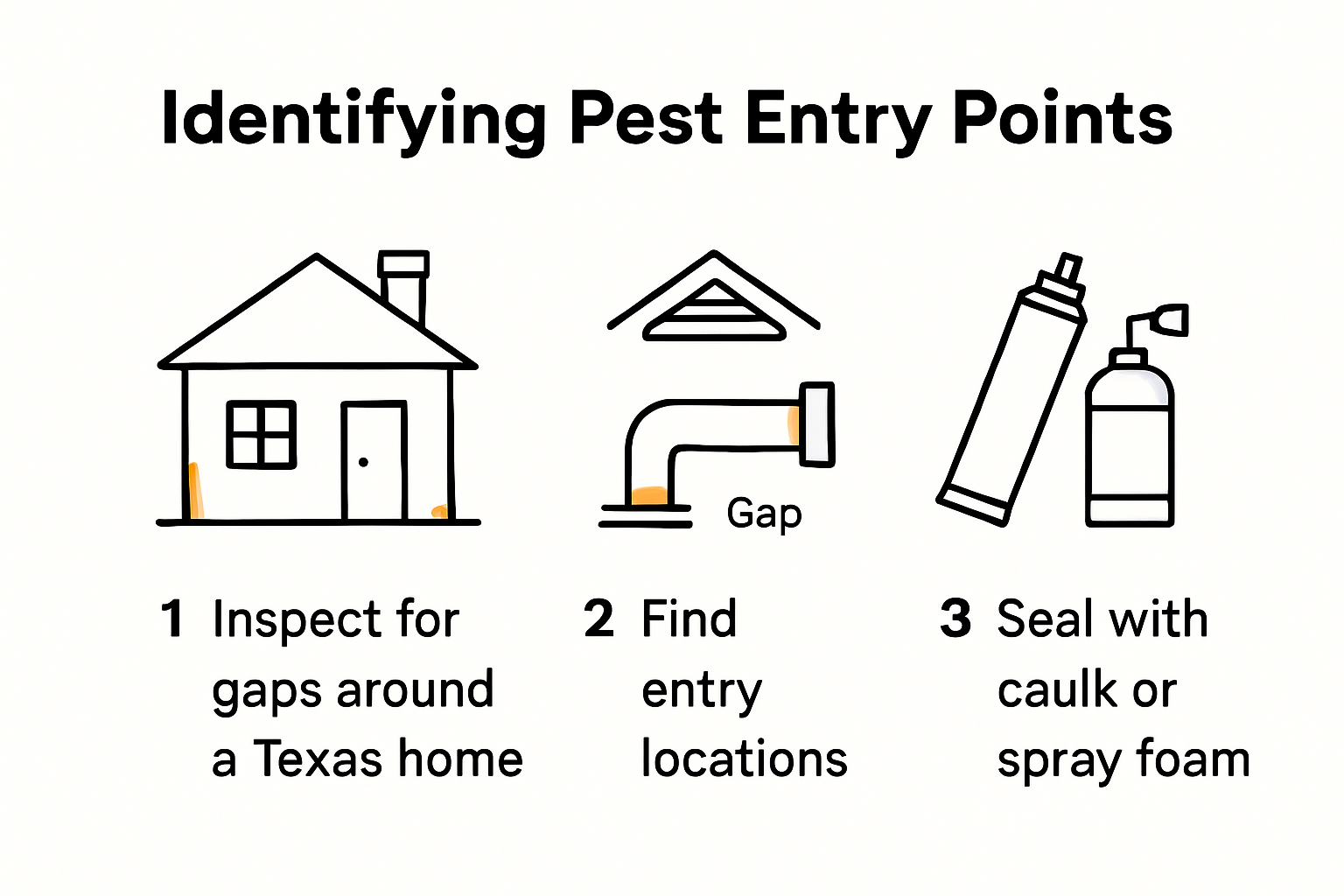
Effective pest management goes beyond treatment application. The Building America Solution Center emphasizes the importance of identifying and sealing potential pest entry points. Focus on key areas like joints between wall plates, around doors and windows, and any structural openings.
Consider conducting a preliminary inspection with your pest control professional to identify vulnerable areas. This collaborative approach helps create a comprehensive barrier against future pest invasions. Pay special attention to cracks in foundations, gaps around utility lines, and potential moisture-prone zones that might attract pests.
Preparing for Treatment Day
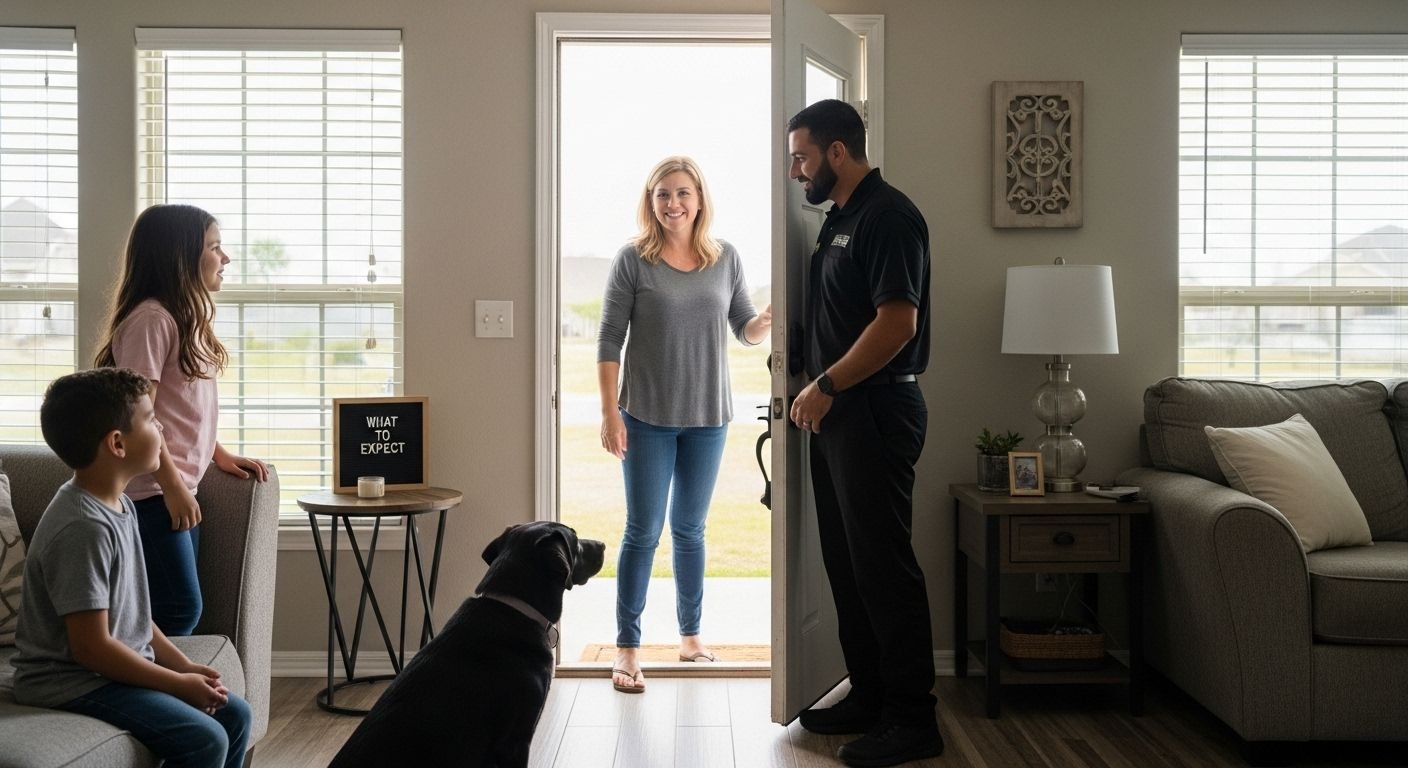
On the day of treatment, the National Pesticide Information Center recommends taking specific precautions to ensure safety and treatment effectiveness. Remove pets from the premises, cover aquariums, and ensure good ventilation. If you have sensitive individuals like children or those with respiratory conditions, consider temporarily relocating during the treatment process.
Prepare a checklist that includes protecting sensitive items, covering food preparation surfaces, and ensuring easy access to all treatment areas. Communicate any specific concerns or known pest problem areas with your pest control technician before they begin work. This proactive communication helps customize the treatment approach to your specific needs.
By following these preparation guidelines, you’ll help maximize the effectiveness of your pest treatment and create an environment conducive to long term pest control success. Check out our comprehensive guide on post-treatment care to ensure you maintain a pest free environment after professional treatment.
Below is a table summarizing the key preparation steps for your home or business before pest treatment. This checklist can help you stay organized and ensure an effective treatment process.
| Preparation Task | Description | Completed (Yes/No) |
|---|---|---|
| Declutter storage areas and floors | Remove boxes, clutter, and items from treatment zones | |
| Move furniture away from walls | Allow at least 12 inches clearance | |
| Remove items from cabinets, shelves, closets | Especially in targeted areas | |
| Clear kitchen surfaces, remove/store food | Protect food surfaces and seal/relocate food items | |
| Seal gaps/cracks and pest entry points | Check walls, foundations, doors, and windows | |
| Remove pets and cover aquariums | Ensure all animals are safe before treatment | |
| Communicate concerns to technician | Share pest issues and sensitive areas |
Step-by-Step Process: What Happens During Treatment
Understanding the pest treatment process helps homeowners feel more comfortable and prepared during professional intervention. Each treatment involves a systematic approach designed to effectively eliminate pest problems while ensuring resident safety.
Initial Inspection and Assessment
Before treatment begins, pest control professionals conduct a comprehensive property inspection. Texas Occupations Code requires certified applicators to provide detailed information about the upcoming treatment, ensuring homeowners understand the process. Technicians will carefully examine potential pest entry points, identify specific pest species, and determine the extent of infestation.
During this initial assessment, professionals will look for signs of pest activity such as droppings, nests, damage to structures, and potential breeding grounds. They will map out treatment zones, identifying areas that require targeted intervention. This thorough examination allows for a customized treatment plan that addresses your specific pest challenges.
Treatment Application and Techniques
Once the assessment is complete, technicians will begin the treatment process using specialized equipment and targeted techniques. Different pest types require unique approaches professional pest control experts employ various methods including liquid treatments, baiting systems, and precision application techniques. Depending on the identified pests, treatments might involve perimeter spraying, indoor spot treatments, or comprehensive structural interventions.
Professionals use environmentally responsible products that effectively eliminate pests while minimizing risks to humans and pets. They will strategically apply treatments in cracks, crevices, and other potential hiding spots where pests typically congregate. The application process is methodical, ensuring complete coverage and maximum effectiveness.
Post-Treatment Safety and Follow-Up
After the initial treatment, technicians will provide specific instructions for re-entering treated areas. This typically involves allowing sufficient time for products to dry and settle, which can range from a few hours to a full day depending on the treatment type. Ventilation and temporary relocation might be recommended for sensitive individuals.
Most professional pest control services include a follow-up inspection to assess treatment effectiveness. This secondary visit allows technicians to confirm pest elimination and address any remaining concerns. Learn more about post-treatment care and maintenance to ensure long-term protection against future infestations.
The entire process is designed to provide comprehensive pest control while prioritizing your safety and comfort. By understanding each step, homeowners can feel confident and prepared during professional pest treatment.
For clarity, the table below summarizes the key steps involved in a typical pest treatment process, including the main activities and their purposes.
| Step | Main Activities | Purpose |
|---|---|---|
| Initial Inspection & Assessment | Inspect entry points, identify pest species, assess infestation, map treatment zones | Customize treatment plan, ensure thorough coverage |
| Treatment Application & Techniques | Apply liquid, bait, or precision treatments; target cracks, crevices, hiding places | Eliminate pests using safe and effective methods |
| Post-Treatment Safety & Follow-Up | Provide re-entry instructions, allow drying/ventilation, schedule follow-up inspection | Ensure safety, confirm pest elimination, address lingering issues |
Aftercare Tips and Safety Precautions Post-Treatment
After professional pest treatment, proper aftercare is critical to maintaining a pest-free environment and ensuring the long-term effectiveness of the intervention. Homeowners must follow specific guidelines to protect their health and maximize treatment results.
Waiting and Ventilation Protocols
Immediately following pest treatment, allowing sufficient time for products to settle and dry is essential. The Environmental Protection Agency (EPA) recommends waiting at least 2-4 hours before re-entering treated spaces, depending on the specific treatment method used. During this time, open windows and doors to promote air circulation and help dissipate treatment chemicals.
Ensure children and pets remain away from treated areas during the initial waiting period. If you have individuals with respiratory sensitivities or health conditions, consider extending the ventilation time or temporarily relocating. Remove protective coverings from food preparation areas only after the recommended waiting period has passed.
Cleaning and Maintenance Recommendations
After the initial waiting period, careful cleaning becomes crucial. Centers for Disease Control and Prevention advises against immediate extensive cleaning that might compromise treatment effectiveness. Wait at least 48-72 hours before performing thorough cleaning to allow pest control products to continue working.
When you begin cleaning, use mild, non-chemical cleaning solutions. Vacuum floors carefully, focusing on treated areas, but avoid washing surfaces with heavy chemicals that might neutralize the pest treatment. Pay special attention to areas where pests were most prevalent, maintaining a clean environment to prevent future infestations.
Long-Term Prevention Strategies
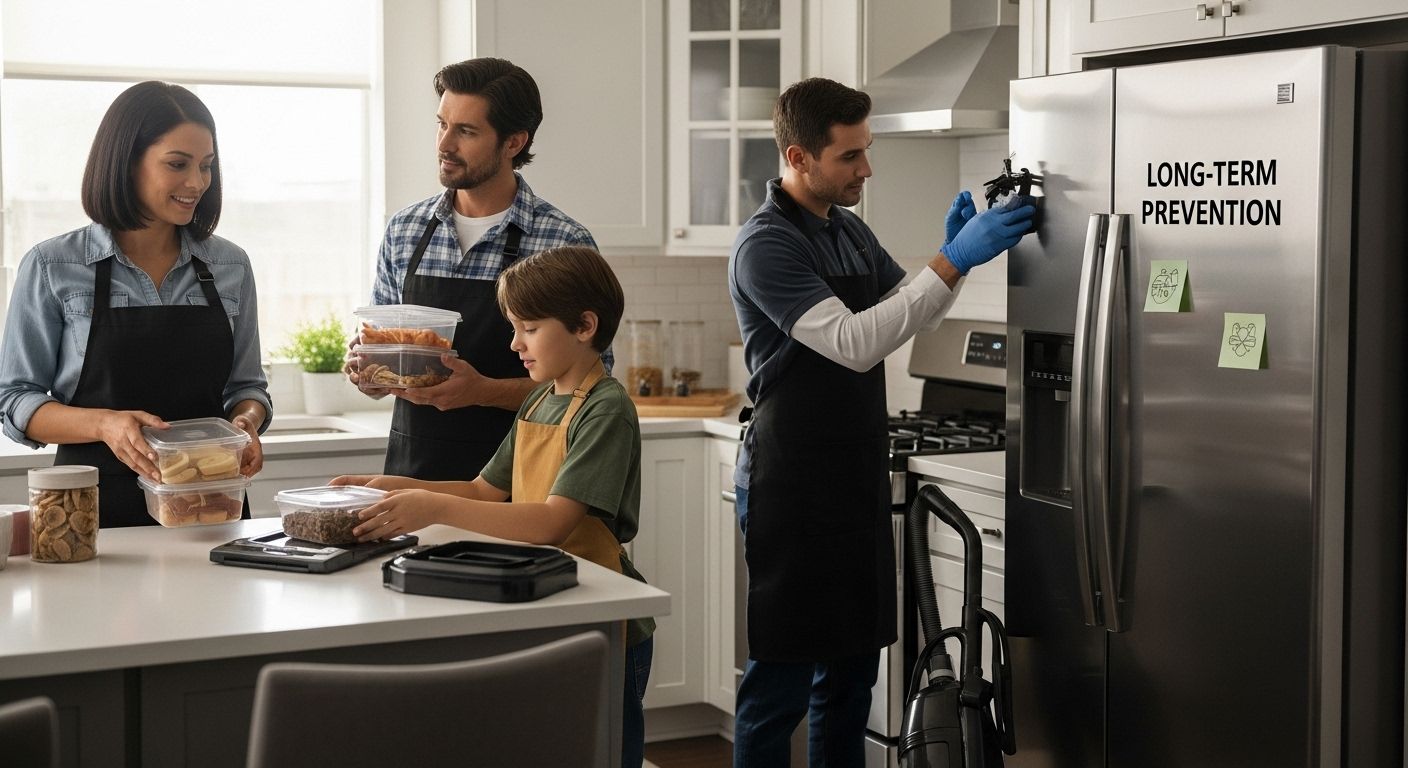
Successful pest management extends beyond the initial treatment. Implement ongoing prevention strategies such as sealing potential entry points, maintaining cleanliness, and reducing moisture accumulation. Regular inspections and proactive maintenance can significantly reduce the likelihood of future pest problems.
Keep food in sealed containers, manage household waste promptly, and address any moisture issues that might attract pests. Consider scheduling periodic professional inspections to catch potential pest issues early. Learn more about maintaining a pest-free environment to protect your home long-term.
By following these aftercare guidelines, homeowners can maximize the effectiveness of professional pest treatment and create a safer, more comfortable living environment. Patience, careful maintenance, and proactive prevention are key to long-lasting pest control success.
Common Questions for Texas Homeowners and Businesses
Pest control can be complex, and homeowners and businesses often have numerous questions about the process, safety, and effectiveness of professional treatments. Understanding these key concerns helps create informed decisions about pest management strategies.
Pesticide Safety and Application Concerns
The National Pesticide Information Center emphasizes the importance of understanding pesticide application and safety. Homeowners frequently ask about potential health risks associated with pest treatments. Modern pest control techniques prioritize using low-toxicity methods that minimize environmental and personal health risks.
Key safety considerations include selecting appropriate pesticides specifically targeted to your pest problem, ensuring proper application techniques, and following recommended waiting periods before re-entering treated areas. Professionals use EPA-approved products designed to effectively eliminate pests while maintaining strict safety standards. Protective gear and careful application methods further reduce potential exposure risks.
Integrated Pest Management Strategies
Texas Integrated Pest Management Program recommends a comprehensive six-step approach to pest control that goes beyond simple chemical treatments. Homeowners often inquire about long-term prevention strategies that address the root causes of pest infestations.
This approach involves identifying specific pest issues, assessing the severity of the problem, and implementing a multi-faceted control strategy. This might include cultural modifications, biological controls, and targeted chemical interventions. The goal is not just immediate pest elimination but creating an environment that naturally discourages future pest problems.
Prevention and Ongoing Maintenance
The Environmental Protection Agency provides guidance on preventing pest issues through proactive home maintenance. Businesses and homeowners frequently ask about preventing future infestations after initial treatment. Key strategies include removing pest access to water, food, and shelter.
Indoor prevention involves maintaining cleanliness, sealing food containers, fixing moisture issues, and eliminating potential pest entry points. Outdoor strategies include managing landscaping, removing standing water, and creating barriers that discourage pest habitation. Check out our comprehensive guide to ongoing pest prevention for more detailed insights into maintaining a pest-free environment.
By understanding these critical aspects of pest control, Texas homeowners and businesses can approach pest management with confidence, knowing they have the knowledge to protect their properties effectively and safely.
Frequently Asked Questions
What should I do to prepare my home for pest treatment?
Before pest treatment, clear and declutter areas to allow full access for technicians. Move furniture away from walls, remove food items from the kitchen, and seal any potential pest entry points.
How long should I wait after pest treatment before re-entering my home?
Typically, it is recommended to wait at least 2-4 hours before re-entering treated areas. However, if sensitive individuals are present, consider extending this waiting period for added safety.
What cleaning protocols should I follow after pest treatment?
After the initial waiting period, wait at least 48-72 hours before extensive cleaning. When you clean, use mild, non-chemical solutions to avoid neutralizing the effectiveness of the pest treatment.
What are some long-term pest prevention strategies I can implement?
To prevent future infestations, seal entry points, maintain cleanliness, manage moisture levels, and regularly inspect your property. Properly storing food and promptly dealing with waste will also help mitigate pest problems.
Protect Your Texas Home the Right Way—Let Our Family Help
Worried about pests invading your space and unsure if your pest treatment will truly solve the problem? Many Texas homeowners share your concerns about safety, hidden pest entry points, and the challenge of ensuring lasting results. Our team at Pestico understands that you want fast relief, minimal disruption, and peace of mind after treatment. You do not have to face these challenges alone.

Let our family-owned experts guide you step by step. We deliver affordable, high-quality pest, termite, mosquito, and rodent control focused on the detailed solutions discussed in this article, from identifying entry points to helping you maintain a pest-free home. Act now for the safety and comfort you deserve. Schedule your customized service or get more information today by visiting our main website. Take your next step to a healthier, safer home by checking our comprehensive guide on post-treatment care, or read answers to frequently asked questions for ongoing peace of mind.
Recommended
How To Choose Pest Control – Pest Control Van Alstyne, TX – Pestico Pest Control
Pest Control Regulations Texas 2025 – Pest Control Van Alstyne, TX – Pestico Pest Control
[
Helena Siding Contractor | Expert Pest-Deterring Solutions
](https://ellingsonroofing.com/expert-siding-contractor-siding-for-pest-control)