How to Clean After Pest Treatment
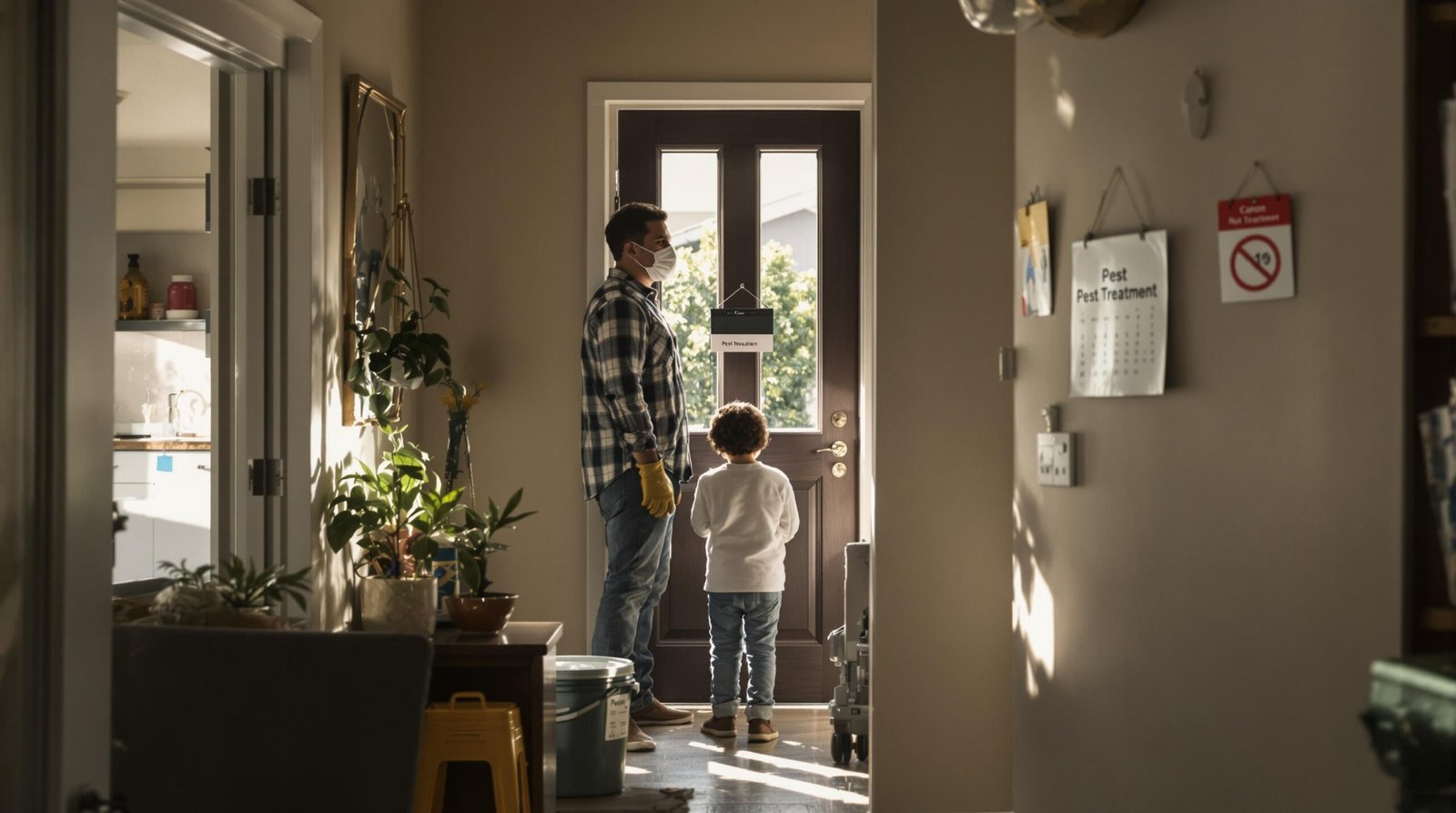
Texas homeowners know that pest control is serious business. After a treatment, you might assume that a quick wipe and some fresh air are enough. Not so fast. Experts recommend waiting between 2 and 6 hours before even re-entering treated rooms to let chemicals settle and reduce health risks. Even your choice of cleaning products could mess with the effectiveness of the pest control. Getting this last step wrong can set you up for repeat invasions and lasting chemical exposure.
Table of Contents
- Safety Precautions Before You Start
- Essential Cleaning Steps After Pest Treatment
- Tips For Specific Rooms And Surfaces
- Preventing Future Pest Problems
Quick Summary
| Takeaway | Explanation |
|---|---|
| Use Proper Safety Gear | Always wear disposable gloves, respiratory masks, and long sleeve clothing while cleaning after pest treatment to minimize exposure to potentially harmful chemicals. |
| Follow Ventilation Guidelines | Ensure proper ventilation by opening windows and doors and waiting at least 2-6 hours before re-entering treated areas to allow chemicals to settle. |
| Adhere to Cleaning Protocols | Consult with pest control professionals for compatible cleaning solutions and techniques to prevent compromising the pest treatment’s effectiveness. |
| Focus on Specific Room Cleaning | Apply tailored cleaning strategies for different areas, such as using food-safe disinfectants in kitchens and thorough vacuuming in bedrooms to eliminate potential pest remnants. |
| Implement Future Prevention Strategies | Regularly inspect and maintain your home to eliminate potential pest habitats by sealing entry points and ensuring proper drainage and cleanliness outdoors. |
Safety Precautions Before You Start
After professional pest treatment, protecting your health and home requires careful preparation and strategic cleaning. Navigating the post-treatment environment demands more than basic cleaning techniques.
Understanding Chemical Exposure Risks
Pesticide treatments involve complex chemical applications that require thoughtful handling. The U.S. Environmental Protection Agency strongly recommends carefully following specific safety protocols to minimize potential health risks. Chemical residues can persist on surfaces, making your initial cleaning approach critical.
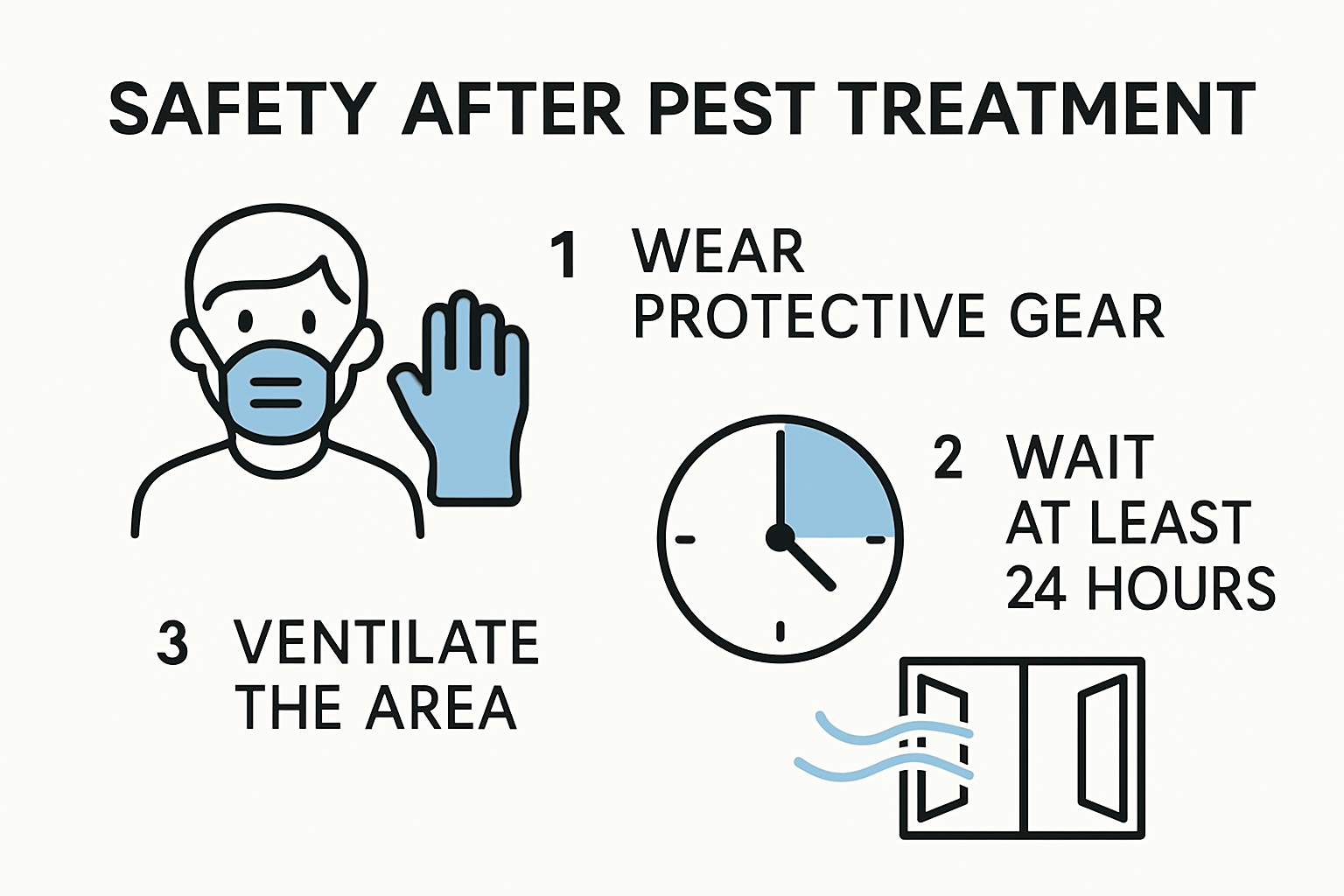
Proper personal protective equipment becomes essential during this process. Recommended safety gear includes:
- Disposable gloves to prevent direct chemical contact
- Respiratory mask to avoid inhaling potential chemical particles
- Long sleeve clothing to minimize skin exposure
Ventilation and Initial Waiting Period
The Centers for Disease Control and Prevention emphasizes the importance of proper ventilation after pest treatment. Before cleaning, allow sufficient time for chemicals to settle and dry completely. Professional pest control technicians typically recommend waiting between 2-6 hours before re-entering treated areas.
Ventilation plays a crucial role in reducing chemical concentration. Open windows and doors strategically to create cross-airflow. Use fans to circulate air, but avoid directing them directly toward treated surfaces. This approach helps disperse chemical particles and reduces potential respiratory irritation.
Cleaning Protocols and Chemical Compatibility
The Texas Department of State Health Services highlights the potential risks of inappropriate cleaning methods after pest treatment. Not all cleaning products are compatible with pest control chemicals. Using the wrong cleaning agents can potentially reactivate or neutralize the pest treatment’s effectiveness.
Consult your pest control professional about recommended cleaning products and techniques specific to the treatment applied. Some treatments require specialized cleaning approaches to maintain their protective properties. Avoid using harsh chemical cleaners or abrasive materials that might compromise the treatment’s integrity.
Careful preparation, understanding chemical interactions, and following professional guidance will help you safely clean your home after pest treatment. Prioritize your health by taking measured, informed steps throughout the cleaning process.
Essential Cleaning Steps After Pest Treatment
Cleaning your home after professional pest treatment requires a methodical and careful approach. Understanding the right techniques helps maintain the treatment’s effectiveness while ensuring a safe, sanitized living environment.
Surface Cleaning and Disinfection
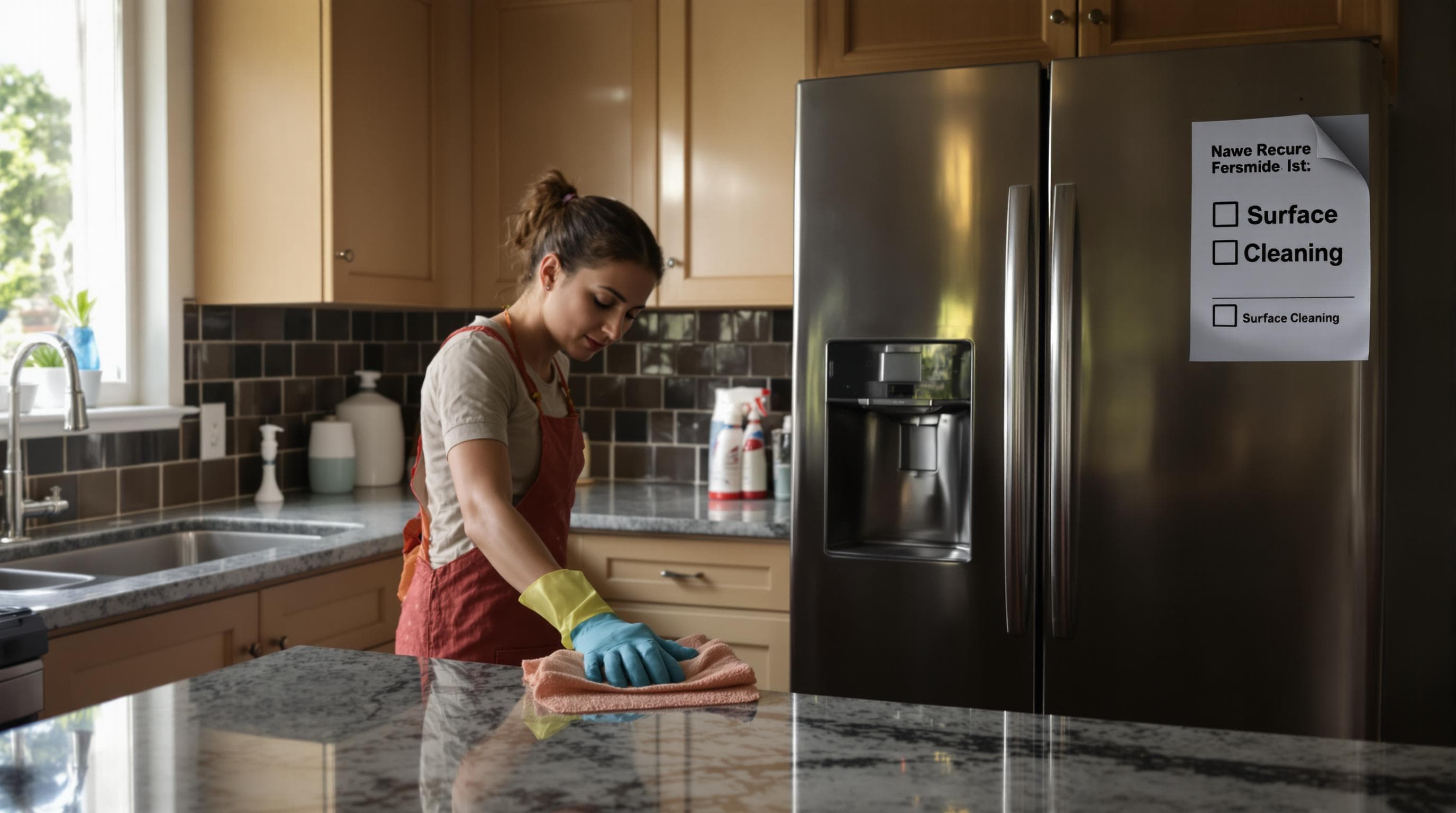
Rutgers University’s Plant & Pest Advisory recommends a comprehensive five-step process for thorough surface sanitization. Begin by removing loose debris and dust from surfaces using soft cloths or microfiber materials. This initial step prevents potential recontamination and prepares surfaces for deeper cleaning.
Use mild, non-abrasive cleaning solutions that won’t interfere with the pest control treatment. Avoid harsh chemicals that might neutralize the pest control application. Recommended cleaning techniques include:
- Gentle wiping with microfiber cloths
- Using EPA-approved disinfectants
- Focusing on high-touch surfaces like countertops and doorknobs
Comprehensive Home Sanitization
Bio-One of Pittsburgh provides expert guidance on post-pest control home sanitization. Start by thoroughly mopping hard floors with appropriate cleaning solutions. Pay special attention to corners, baseboards, and areas near walls where pests typically travel.
Launder fabrics and soft materials that might have been exposed during treatment. Wash bedding, curtains, and removable furniture covers in hot water to eliminate any potential pest residues. For additional insights into comprehensive home pest management, our expert guide offers detailed recommendations.
Strategic Cleaning Approach
The U.S. Environmental Protection Agency emphasizes the importance of strategic cleaning to maintain pest control treatment effectiveness. Focus on preventing future infestations by sealing potential entry points after cleaning. Inspect window frames, door seals, and small cracks where pests might re-enter.
Vacuum carpets and rugs thoroughly, using attachments to reach corners and edges. Empty vacuum bags or canisters immediately after use, preferably in an outdoor trash container. This prevents accidentally reintroducing any removed pest particles back into your living space.
By following these systematic cleaning steps, you protect your home’s pest-free status and create a healthier living environment. Patience and careful attention to detail are key to maintaining the long-term effectiveness of your professional pest treatment.
To help you plan your cleaning tasks efficiently, here is a table summarizing the essential post-treatment cleaning steps and their key actions:
| Step | Key Actions |
|---|---|
| Wait & Ventilate | Wait 2-6 hours; open windows/doors; use fans to improve airflow |
| Personal Safety | Wear gloves, respirator, long sleeves while cleaning |
| Remove Debris & Dust | Use soft/microfiber cloths on all surfaces first |
| Surface Cleaning & Disinfect | Wipe with mild solutions; use EPA-approved disinfectants |
| Floor & Edge Cleaning | Mop hard surfaces, vacuum carpets and edges thoroughly |
| Launder Fabrics | Wash bedding, curtains, fabric covers in hot water |
| Seal Entry Points | Inspect and seal cracks, windows, door seals to prevent new pests |
| Safe Disposal | Empty vacuum contents outside; dispose of cleaning materials safely |
Tips for Specific Rooms And Surfaces
Different areas of your home require unique cleaning approaches after pest treatment. Understanding the nuanced requirements for each room helps maintain the effectiveness of pest control treatments and prevents potential reinfestation.
Kitchen and Food Preparation Areas
San Mateo County Health emphasizes the critical nature of cleaning food preparation spaces with extreme care. After pest treatment, completely empty kitchen cabinets, drawers, and pantry shelves before cleaning. Use food-safe disinfectants that won’t compromise food storage areas.
Special kitchen cleaning considerations include:
- Wiping down interior cabinet surfaces with mild cleaning solutions
- Sanitizing countertops and food preparation areas
- Checking and cleaning small appliances thoroughly
- Removing and washing shelf liners
Pay special attention to potential pest entry points like sink areas, behind appliances, and around food storage spaces. These locations often require extra scrutiny to prevent future infestations.
Bedroom and Soft Surface Treatment
Environmental Pest Control provides critical guidance for handling soft surfaces after treatment. Bedrooms demand careful cleaning, particularly if bed bugs were the target of pest control efforts. Launder all bedding, curtains, and removable fabric covers in hot water to eliminate any remaining pest residues.
For comprehensive bedroom pest management strategies, carefully vacuum mattresses, box springs, and surrounding carpet areas. Use vacuum attachments to reach tight corners and seams where pests might hide. Seal and dispose of vacuum bags immediately after use to prevent potential recontamination.
Bathroom and Hard Surface Areas
Rentokil recommends a systematic approach to cleaning bathrooms and other hard surface areas. Focus on moisture-prone spaces that often attract pests. Clean tiles, grout lines, and areas around plumbing fixtures with appropriate disinfectants.
Pay particular attention to:
- Sealing small cracks around pipes
- Cleaning under sink cabinets
- Ventilating spaces to reduce moisture
- Checking and cleaning behind toilet fixtures
Each room requires a tailored cleaning strategy that respects the pest control treatment while eliminating potential reinfestation risks. Methodical, thorough cleaning combined with preventative measures ensures your home remains pest-free and hygienic.
Remember that different pest treatments might require slightly varied approaches. Always consult your pest control professional for specific guidance related to your unique treatment plan.
To make room-specific cleaning easier, here’s a table highlighting specialized cleaning tips for common home areas after pest treatment:
| Room/Area | Key Cleaning Actions |
|---|---|
| Kitchen | Empty shelves; food-safe disinfectant; clean appliances; wash liners |
| Bedroom | Launder bedding & curtains hot; vacuum bed, carpet edges; seal vac bag |
| Bathroom | Clean tiles, grout; seal cracks; under sink; ventilate moisture spots |
| Food Storage/Pantries | Wipe interior surfaces; sanitize shelves; inspect for food residue |
| Living Areas/Carpets | Vacuum thoroughly; focus on corners and edges; immediate disposal |
Preventing Future Pest Problems
Preventing future pest problems requires a proactive and comprehensive approach that goes beyond occasional treatments. Strategic planning and consistent maintenance can significantly reduce the likelihood of recurring pest infestations in your home.
Eliminating Potential Pest Habitats
The U.S. Environmental Protection Agency highlights the critical importance of removing potential food, water, and shelter sources for pests. Start by conducting a thorough home inspection to identify and seal potential entry points. Check for small cracks in foundation walls, gaps around windows and doors, and openings around utility lines.
Key habitat reduction strategies include:
- Storing food in airtight containers
- Fixing leaky pipes and addressing moisture issues
- Removing standing water around your property
- Keeping outdoor trash areas clean and sealed
Landscaping and Exterior Maintenance
The New York State Department of Health recommends comprehensive exterior maintenance to prevent pest invasions. Create a protective barrier around your home by maintaining a clear zone between your home’s foundation and landscaping. Trim bushes and trees away from your house, ensuring no branches touch exterior walls or roof.
For advanced home pest prevention strategies, consider implementing these additional techniques:
- Regularly clean gutters and downspouts
- Remove leaf litter and debris from around your home
- Use gravel or rock barriers near foundation walls
- Ensure proper drainage away from your home’s foundation
Strategic Pest Control Approaches
The EPA suggests a multifaceted approach to long-term pest management. Integrate various prevention methods, including mechanical barriers, targeted treatments, and ongoing monitoring. Consider using traps and bait stations strategically, always following manufacturer instructions and keeping them away from children and pets.
Develop a consistent maintenance schedule that includes:
- Regular home inspections
- Seasonal pest prevention treatments
- Immediate addressing of any potential entry points
- Professional consultation for persistent issues
Successful pest prevention is a continuous process that requires attention to detail and proactive management. By implementing these comprehensive strategies, you can create an environment that is significantly less attractive to pests. Remember that prevention is always more effective and cost-efficient than dealing with a full-blown infestation.
Consult with local pest control professionals who understand the specific challenges in your area. They can provide tailored advice and help you develop a customized prevention plan that addresses the unique characteristics of your home and local pest populations.
Frequently Asked Questions
How long should I wait before cleaning after pest treatment?
Experts recommend waiting between 2 to 6 hours before entering treated areas to allow chemicals to settle and minimize health risks.
What safety precautions should I take while cleaning after pest treatment?
Always wear disposable gloves, a respiratory mask, and long-sleeve clothing to protect yourself from potential chemical exposure during the cleaning process.
Can I use any cleaning products after pest control treatment?
Not all cleaning products are compatible with pest control chemicals. Consult your pest control professional for recommended cleaning solutions that won’t interfere with the treatment’s effectiveness.
How can I prevent pests from returning after treatment?
To prevent future infestations, seal potential entry points, eliminate sources of food and water, maintain outdoor cleanliness, and conduct regular home inspections.
Restore Peace of Mind After Pest Treatment With Professional Help
You have just invested in a pest treatment and know that cleaning the wrong way can leave you exposed to chemical risks or undo all your hard work. The reality is that improper cleaning not only puts your family’s health on the line, but also gives pests an open door to come back. Whether you are worried about lingering residues, unsure about safe cleaning products, or simply want your home to stay protected, you do not have to handle it alone. Our family-run team specializes in solutions designed for Texas homeowners just like you. Trust us to help you maintain a safe, healthy home where treatments actually last.

Take the guesswork and stress out of protecting your home. Visit Pestico’s pest solutions team to schedule a service or request advice tailored to your recent treatment. Do not let improper cleaning erase your results. Act now and discover how our affordable, high-quality services and expert tips will ensure your home remains pest free. Ready to take the next step? Explore our expert guide on pest control safety and connect with your local specialists at Pestico.biz today.
Recommended
- How To Handle Pest Complaints – Pest Control Van Alstyne, TX – Pestico Pest Control
- How To Choose Pest Control – Pest Control Van Alstyne, TX – Pestico Pest Control
- DIY Pest Prevention Tips – Pest Control Van Alstyne, TX – Pestico Pest Control
- 2025 Home Pest Prevention Checklist For Texas Residents – Pest Control Van Alstyne, TX – Pestico Pest Control
- When to Clean Air Ducts: Texas Homeowners’ Guide 2025 – Green Home Services