{
“@type”: “Article”,
“author”: {
“url”: “https://pestico.biz”,
“name”: “Pestico”,
“@type”: “Organization”
},
“@context”: “https://schema.org”,
“headline”: “Is Pest Control Safe for Pets? Essential Tips for Texas Homes 2025”,
“publisher”: {
“url”: “https://pestico.biz”,
“name”: “Pestico”,
“@type”: “Organization”
},
“inLanguage”: “en”,
“articleBody”: “Wondering is pest control safe for pets? Discover expert tips and best practices to keep your pets safe while protecting your Texas property from pests.”,
“description”: “Wondering is pest control safe for pets? Discover expert tips and best practices to keep your pets safe while protecting your Texas property from pests.”,
“datePublished”: “2025-07-11T16:52:19.940Z”,
“mainEntityOfPage”: “https://pestico.biz/is-pest-control-safe-for-pets-texas”
}
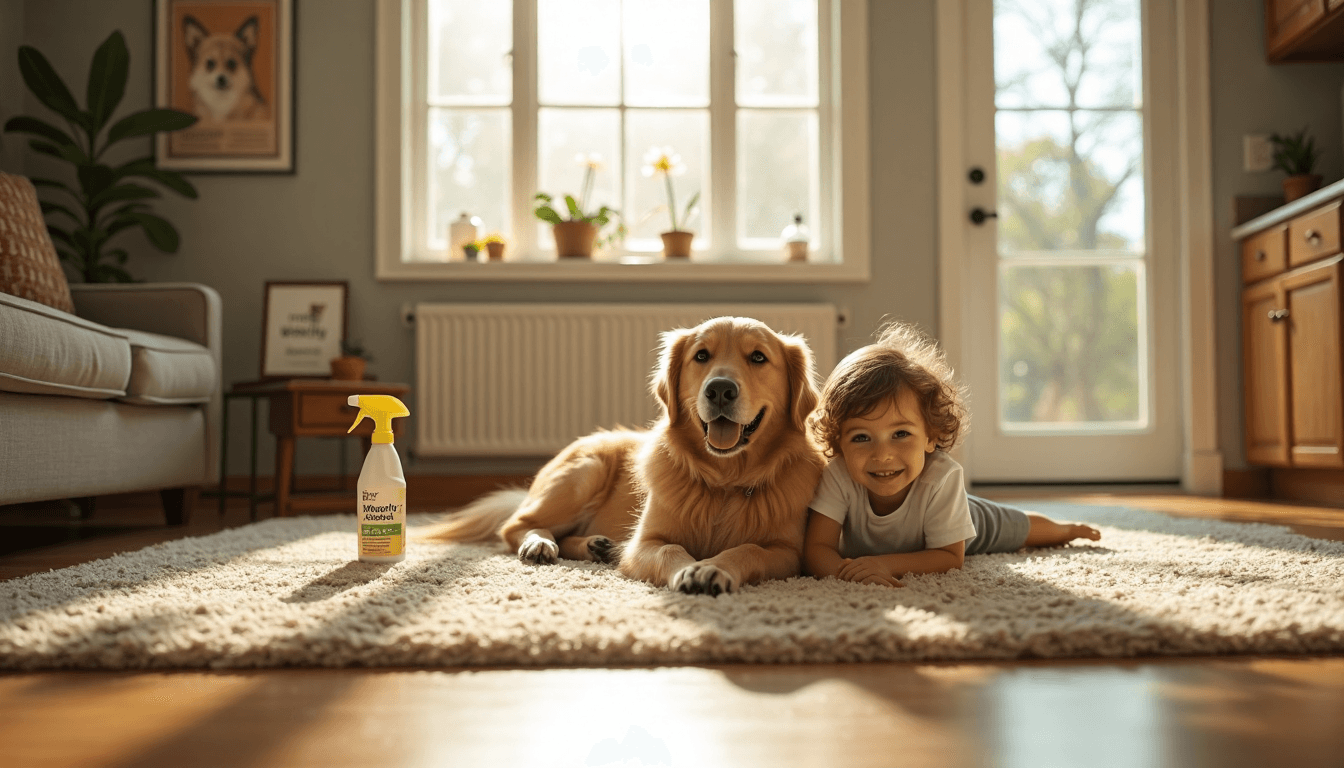
Pet owners across Texas worry about pest control, especially with furry friends lounging on the floor and sniffing around every corner. Here is the surprising part. Pets can absorb dangerous chemicals just by touching or licking treated surfaces, and over 60 percent of pesticide accident calls involve family animals. Most believe common sense and quick cleaning will protect pets, but the real risk is much higher. What you do before and after treatment could mean everything for your pet’s safety.
Table of Contents
- Understanding Pest Control Safety For Pets
- Common Risks Of Pest Treatments For Animals
- How To Prepare And Protect Your Pets
- Choosing Pet-Friendly Pest Control Services In Texas
Quick Summary
| Takeaway | Explanation |
|---|---|
| Prioritize Pet Safety Before Treatment | Remove pets and their belongings from treated areas before pest control applications to prevent chemical exposure. |
| Choose Pet-Friendly Pest Control Options | Opt for pest services that provide low-toxicity treatments and involve integrated pest management techniques to minimize chemical use. |
| Monitor Pets After Treatment | Keep pets away from treated areas until surfaces are dry and ventilated, and closely observe them for any signs of distress or illness post-treatment. |
Understanding Pest Control Safety for Pets
Pet safety during pest control treatments requires careful consideration and strategic planning. Protecting your furry family members from potential chemical exposure involves understanding the risks and implementing responsible prevention strategies.
Chemical Exposure and Pet Vulnerability
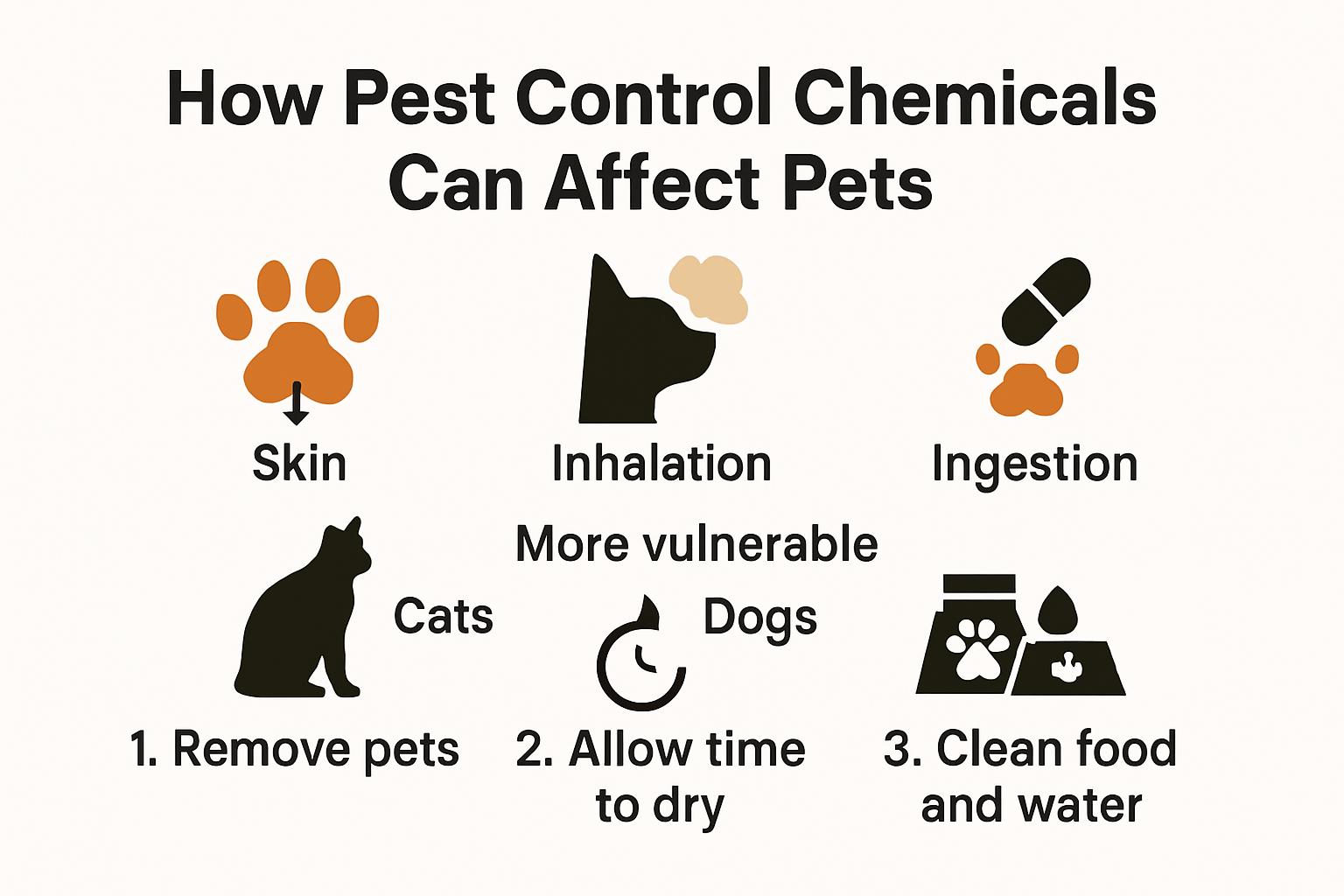
Pets are significantly more sensitive to pesticides compared to humans due to their smaller body mass and closer proximity to treated surfaces. National Pesticide Information Center experts highlight that animals can absorb chemicals through multiple routes including skin contact, inhalation, and accidental ingestion. Their smaller size means even minimal exposure can potentially cause serious health complications.
The biochemical makeup of different pets creates unique vulnerabilities. Cats, for instance, lack certain liver enzymes that help metabolize chemical compounds, making them particularly susceptible to pesticide toxicity. Dogs may also experience adverse reactions depending on the specific chemical composition and concentration of pest control treatments.
Safe Pest Control Practices for Pet Owners
Ensuring pet safety during pest management involves several critical steps. Extension Publications recommend removing pets entirely from treatment areas before application. This includes relocating pet bedding, toys, food and water dishes to prevent potential contamination.
When selecting pest control methods, prioritize pet-friendly alternatives. Some professional services offer specialized treatments that minimize chemical exposure while maintaining effective pest management. Always request detailed information about product ingredients and potential pet interactions before authorizing any treatment.
Post Treatment Protocols
After pest control application, implement strict waiting protocols. Military Public Health guidelines suggest keeping pets away from treated areas until surfaces have completely dried and proper ventilation has been established. This typically ranges from 2-4 hours, depending on the specific treatment used.
Monitor your pets closely following pest control treatments. Watch for unusual symptoms such as excessive drooling, lethargy, vomiting, or respiratory difficulties. If any concerning signs emerge, contact your veterinarian immediately and provide details about the specific pest control products used.
Learn more about pet-safe pest management strategies to protect your furry companions while effectively controlling unwanted household pests.
To help you understand precautionary steps before, during, and after pest control treatments, review this summary of recommended pet safety protocols:
| Stage | Action |
|---|---|
| Pre-Treatment | Remove pets, bedding, toys, food/water bowls from treatment areas |
| Relocate pets to a safe, untreated area or alternative accommodation | |
| Discuss pet-friendly treatment options with pest professionals | |
| During Treatment | Prevent pets from entering areas where chemicals are being applied |
| Ensure all items pets use are protected from contamination | |
| Post-Treatment | Wait 2-4 hours, or until surfaces are dry and ventilated, before allowing pets back |
| Wipe down and vacuum surfaces before pets return | |
| Monitor pets for symptoms and consult a veterinarian if issues arise |
Common Risks of Pest Treatments for Animals
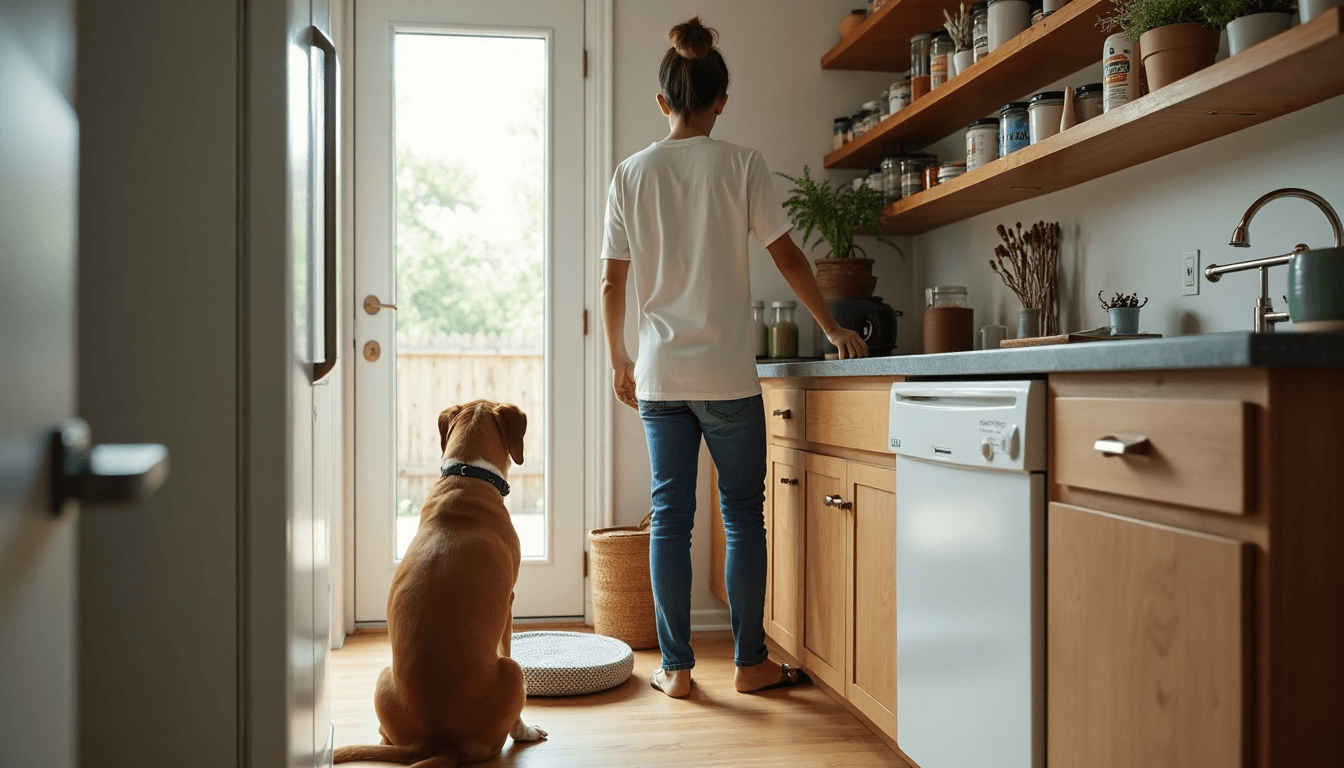
Pest control treatments can pose significant health risks to household pets if not carefully managed and applied. Understanding these potential dangers helps pet owners make informed decisions about protecting both their home and their animal companions.
Direct Chemical Exposure Hazards
Pesticides contain complex chemical compounds that can trigger severe health reactions in animals. Beyond Pesticides research indicates that pets are particularly vulnerable due to their smaller body mass and different metabolic processes. Direct contact with treated surfaces can lead to absorption through skin, paws, and fur, potentially causing immediate and long-term health complications.
Common symptoms of pesticide exposure include neurological disturbances, skin irritations, respiratory difficulties, and gastrointestinal problems. Cats are especially sensitive because they lack specific liver enzymes that help break down certain chemical compounds. Dogs may also experience adverse reactions depending on the specific pesticide formulation and concentration.
Ingestion and Accidental Poisoning Risks
Many pest control products contain ingredients intentionally designed to attract pests, which simultaneously make them appealing to curious pets. Health Canada warns that rodent baits, slug pellets, and certain insecticide formulations can be particularly dangerous if accidentally consumed.
Pet owners must be vigilant about storing pest control products in secure locations and preventing animals from accessing treated areas. Accidental ingestion can result in serious poisoning scenarios requiring immediate veterinary intervention. Signs of potential poisoning include sudden lethargy, excessive drooling, vomiting, seizures, or dramatic changes in behavior.
Long-Term Health Implications
Repeated or prolonged exposure to pesticides can create cumulative health risks for pets. National Pesticide Information Center studies suggest potential links between chronic pesticide exposure and increased risks of certain cancers, immune system disorders, and neurological conditions in animals.
Pet owners should prioritize integrated pest management strategies that minimize chemical interventions. This might include preventative measures, natural deterrents, and targeted treatments that reduce overall pesticide usage. Consulting with veterinary professionals and pest control experts can help develop comprehensive protection plans.
Discover safer pest management techniques for your home that protect both your living space and your beloved pets.
Below is a summary table highlighting the main risks pets face from pest control treatments and their associated symptoms:
| Risk Type | How Pets Are Affected | Symptoms to Watch For |
|---|---|---|
| Chemical skin/paw/fur exposure | Direct absorption through contact with treated surfaces | Skin irritation, lethargy, neurological issues |
| Inhalation | Breathing in fumes or dust from applications | Respiratory difficulties, drooling |
| Ingestion (baits/chemicals) | Eating contaminated items or bait products | Vomiting, seizures, sudden lethargy |
| Chronic/repeat exposure | Long-term exposure over time | Immune issues, cancer risk, neurological changes |
How to Prepare and Protect Your Pets
Protecting pets during pest control treatments requires strategic planning and proactive measures. Responsible pet owners can minimize potential health risks by implementing comprehensive safety protocols before, during, and after pest management procedures.
Pre-Treatment Safety Preparations
Environmental Protection Agency guidelines recommend thorough preparation to safeguard pets during pest control interventions. Start by removing all pet-related items from treatment areas, including food and water bowls, bedding, toys, and scratching posts. This prevents direct contamination and reduces potential chemical exposure.
Create a safe temporary living space for your pets during treatment. This might involve relocating them to a clean, unaffected area of your home or arranging alternative accommodation with friends or family. Ensure this space is completely isolated from the treatment zone to prevent accidental exposure.
Comprehensive Chemical Safety Protocols
ASPCA experts emphasize the importance of proper pesticide storage and handling. Store all pest control products in their original, clearly labeled containers, positioned securely out of pets’ reach. Never transfer chemicals to alternative containers, as this increases the risk of accidental ingestion or misidentification.
Consult with your pest control professional about pet-friendly treatment options. Many modern pest management services offer targeted, low-toxicity solutions that minimize risks to animals. Request detailed information about the specific chemicals being used, their potential effects on pets, and recommended safety waiting periods.
Post-Treatment Pet Protection Strategies
National Pesticide Information Center recommends strict post-treatment protocols to ensure pet safety. Allow sufficient time for treated areas to completely dry and ventilate before reintroducing pets. This typically requires 2-4 hours, depending on the specific treatment used.
Upon returning home, thoroughly clean and wipe down surfaces that pets might contact. Vacuum carpets and floors to remove any residual chemical particles. Monitor your pets closely for 24-48 hours following treatment, watching for any unusual symptoms such as excessive drooling, lethargy, respiratory issues, or behavioral changes.
Learn about comprehensive home pest prevention strategies that prioritize both effective pest management and pet safety. By implementing these careful approaches, you can protect your home from pests while keeping your beloved animal companions safe and healthy.
Choosing Pet-Friendly Pest Control Services in Texas
Selecting a pest control service that prioritizes pet safety requires careful research and strategic decision-making. Texas homeowners face unique pest challenges that demand sophisticated yet animal-friendly solutions to protect both their living spaces and beloved animal companions.
Evaluating Professional Pest Control Credentials
Integrated Pest Management experts recommend thoroughly investigating a pest control company’s approach to animal safety. Look for professionals who demonstrate comprehensive knowledge of pet-specific risk mitigation strategies. Certified technicians should be able to articulate precise protocols for minimizing chemical exposure and protecting household animals during treatment processes.
Key credentials to examine include professional certifications, specialized training in pet-safe pest management, and documented experience working in households with animals. Ask potential service providers about their specific approaches to protecting pets during and after pest control interventions. Reputable companies will have transparent, detailed strategies that prioritize animal wellness.
Integrated Pest Management Techniques
National Pesticide Information Center recommends seeking pest control services that utilize Integrated Pest Management (IPM) techniques. These approaches emphasize minimizing chemical interventions by implementing comprehensive prevention strategies. IPM focuses on identifying pest entry points, eliminating attractants, and using targeted treatments that reduce overall chemical exposure.
Prefer pest control services that offer multi-layered solutions combining mechanical traps, environmental modifications, and minimal chemical applications. These methods not only protect pets but also provide more sustainable long-term pest management. Request detailed treatment plans that outline specific strategies for reducing chemical usage while maintaining effective pest control.
Critical Questions for Pet-Safe Pest Management
Environmental Protection Agency guidelines suggest preparing a comprehensive list of questions when interviewing potential pest control providers. Important inquiries should address specific pet safety protocols, chemical composition of treatment products, recommended evacuation periods, and post-treatment cleaning recommendations.
Prioritize companies that offer comprehensive consultations, provide written safety protocols, and demonstrate flexibility in adapting treatments to households with pets. Some professional services now offer specialized pet-friendly treatment packages that use lower-toxicity solutions and advanced application techniques designed to minimize animal exposure.
Discover comprehensive pest control approaches tailored for Texas homes that balance effective pest management with unwavering commitment to pet safety. By selecting the right professional service, you can protect your home and your furry family members simultaneously.
Frequently Asked Questions
Is pest control safe for pets?
Pest control can be safe for pets if proper precautions are taken, such as removing pets from treatment areas and using pet-friendly pest control options.
What should I do to prepare my pets for pest control treatment?
Before pest control treatment, remove pets and their belongings from the treatment area, relocate them to a safe place, and discuss pet-friendly options with your pest control service.
How long should I keep pets away from treated areas?
Pets should be kept away from treated areas for at least 2-4 hours or until surfaces are completely dry and well-ventilated, depending on the specific treatment used.
What are the signs of pesticide poisoning in pets?
Signs of pesticide poisoning in pets include excessive drooling, vomiting, lethargy, seizures, and changes in behavior. If you notice these symptoms, contact your veterinarian immediately.
Keep Your Pets Safe With Local Experts Who Care
You read the facts. Pets face real risks when it comes to chemical pest treatments in Texas homes. From dangerous surface residue to accidental ingestion and long-term health concerns, keeping your animals safe is not just a worry—it is a responsibility. If you feel overwhelmed or uncertain about which pest control methods will truly protect your family and furry companions, know you are not alone. Expert guidance is close by.

Choose a family-owned business that values your pets like their own. At Pestico, we use proven, pet-friendly solutions designed specifically for Texas homes. Our knowledgeable team applies only the safest methods, keeps you informed at every step, and never cuts corners when it comes to animal safety. If you are searching for affordable, high-quality pest control options that do not compromise your pet’s wellbeing, do not wait. The best protection starts now—contact us through our main website to schedule a no-obligation consultation and give your pets the safety and security they deserve.
Recommended
- Are Pest Control Safe? What TX Homeowners & Businesses Need To Know In 2025 – Pest Control Van Alstyne, TX – Pestico Pest Control
- Eco-Friendly Pest Control Methods For Texas Homes In 2025 – Pest Control Van Alstyne, TX – Pestico Pest Control
- Pest Control Scheduling Guide 2025 For Texas Homeowners & Businesses – Pest Control Van Alstyne, TX – Pestico Pest Control
- 2025 Home Pest Prevention Checklist For Texas Residents – Pest Control Van Alstyne, TX – Pestico Pest Control
- Pest Proofing Outdoor Spaces: Essential 2025 Guide For Texas Homes – Pest Control Van Alstyne, TX – Pestico Pest Control
- What Is Pest Control? Essential Guide For Texas Homeowners 2025 – Pest Control Van Alstyne, TX – Pestico Pest Control
Ultimately, you should always ask, is pest control safe for pets when choosing your pest control strategy.
In planning pest control, an essential aspect is to find out, is pest control safe for pets for your family.
When looking for pest control help, be sure to ask, is pest control safe for pets to prioritize their safety.
For peace of mind, ensure that your concerns about, is pest control safe for pets are addressed upfront.
As you contemplate pest control solutions, remember to consider: is pest control safe for pets.
When it comes to your pets, it’s worth asking, is pest control safe for pets before proceeding.
As you explore pest control options, consider the question, is pest control safe for pets for your furry companions.
For the sake of your pets, always verify: is pest control safe for pets through reliable sources.
Your inquiry, is pest control safe for pets, is a crucial consideration for all pet owners.
In conclusion, knowing whether is pest control safe for pets can affect your pest management choices.
Understanding the question, is pest control safe for pets, can help you find peace of mind as a pet owner.
If you’ve been thinking, is pest control safe for pets, refer to expert guidelines to help ease your concerns.
Many resources are available for pet owners wanting to know, is pest control safe for pets during treatments.
To sum up, your main question is pest control safe for pets should be addressed with accurate information.
Ultimately, knowing the answer to, is pest control safe for pets, can guide your decision-making process.
In case you are still unsure, ask your pest control expert directly: is pest control safe for pets?
For peace of mind, find out, is pest control safe for pets, by discussing your concerns with your pest control provider.
When determining if is pest control safe for pets, always review the treatment information provided by professionals.
It’s worth considering, is pest control safe for pets, especially when it comes to choosing the right pest control service.
For pet owners, the ever-relevant question remains: is pest control safe for pets during these treatments?
Ultimately, determining if is pest control safe for pets comes down to understanding your options.
Addressing the concern of whether is pest control safe for pets, we recommend finding services that prioritize safety.
If you’ve been asking yourself, is pest control safe for pets, we have outlined some effective strategies.
To answer the inquiry, is pest control safe for pets, one must consider the different pest control methods available.
When posing the question, is pest control safe for pets, it’s essential to explore the safety measures that are in place.
Many pet owners are anxious about whether is pest control safe for pets and what steps can be taken to ensure their safety.
As a responsible pet owner, you might be wondering, is pest control safe for pets? Understanding the precautions taken by professionals can ease your concerns.
The question, is pest control safe for pets, is a common concern among pet owners.
Many pet owners often ask themselves, is pest control safe for pets?